Hydrogen and hydrogen derivatives market delegates attending the World Hydrogen Congress gained insights into the evolving hydrogen market, which has adopted a more pragmatic attitude towards the emerging market after the enthusiasm seen in previous years.
While a steady stream of project cancellations has captured mass media headlines, delegates came willing to hear how a number of projects are moving ahead, with the number of projects reaching FID increasing by 600% compared with year-earlier figures, according to S&P Global Commodity Insights data.
The importance of obtaining offtake agreements as a step towards satisfying bankability requirements meant that offtake negotiations was a topic of focus at the World Hydrogen Conference, which was held in Copenhagen between Sept. 30 and Oct. 4.
"There are multiple themes for the World Hydrogen Congress, ranging from the comparative and relative competitiveness of hydrogen carriers in major demand markets, end-user market Willingness to Pay, market trends and price outlooks, technological innovation, as well as political influence on regional energy markets," Nick Edström, Managing Editor of Hydrogen Pricing at S&P Global Commodity Insights, said.
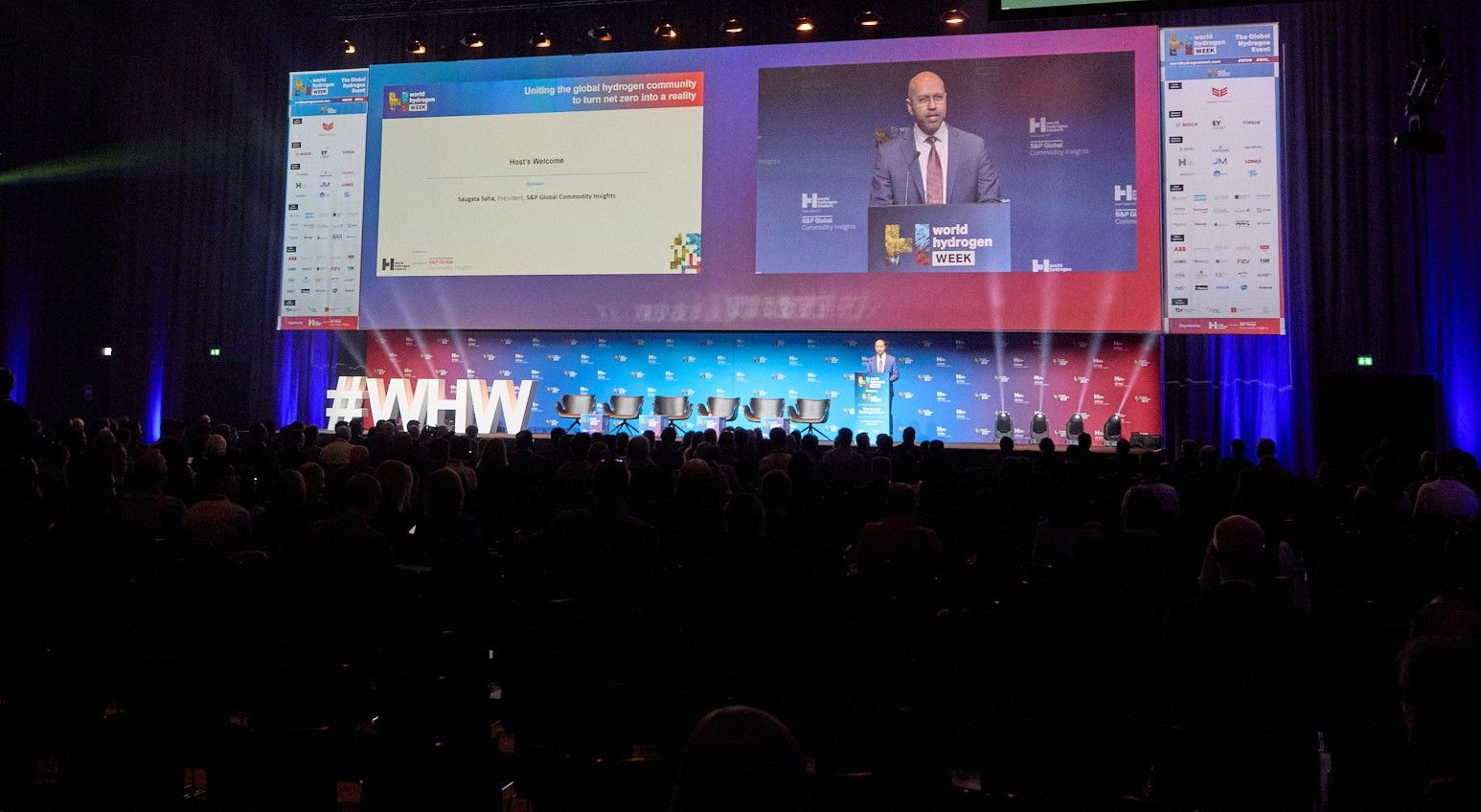
For many in the hall, the publication of the final rules of the second European Hydrogen Bank auction just before the beginning of the conference was a major talking point, with the allocation of a dedicated pot for maritime bunkering attracting interest from potential low carbon methanol suppliers in particular.
The importance of regulatory developments in influencing demand for low carbon hydrogen and ammonia meant that political developments remained a recurrent topic throughout the conference, with delegates referring to the concurrent IMO negotiations in London around market based measures that may encourage the use of alternative fuels in the maritime sector.
Fittingly for the conference, one of the key themes for this year's delegates was how technological developments might impact production costs of different hydrogen carriers in the near future, with conference speakers and exhibitors discussing the advantages of different production pathways.
The conference retained a strong focus on technological innovation, both through dedicated streams within the conference programme and also among exhibitors, where the exhibitors demonstrated the full range of hydrogen and ammonia relevant technologies, ranging from compressors to storage tank suppliers.
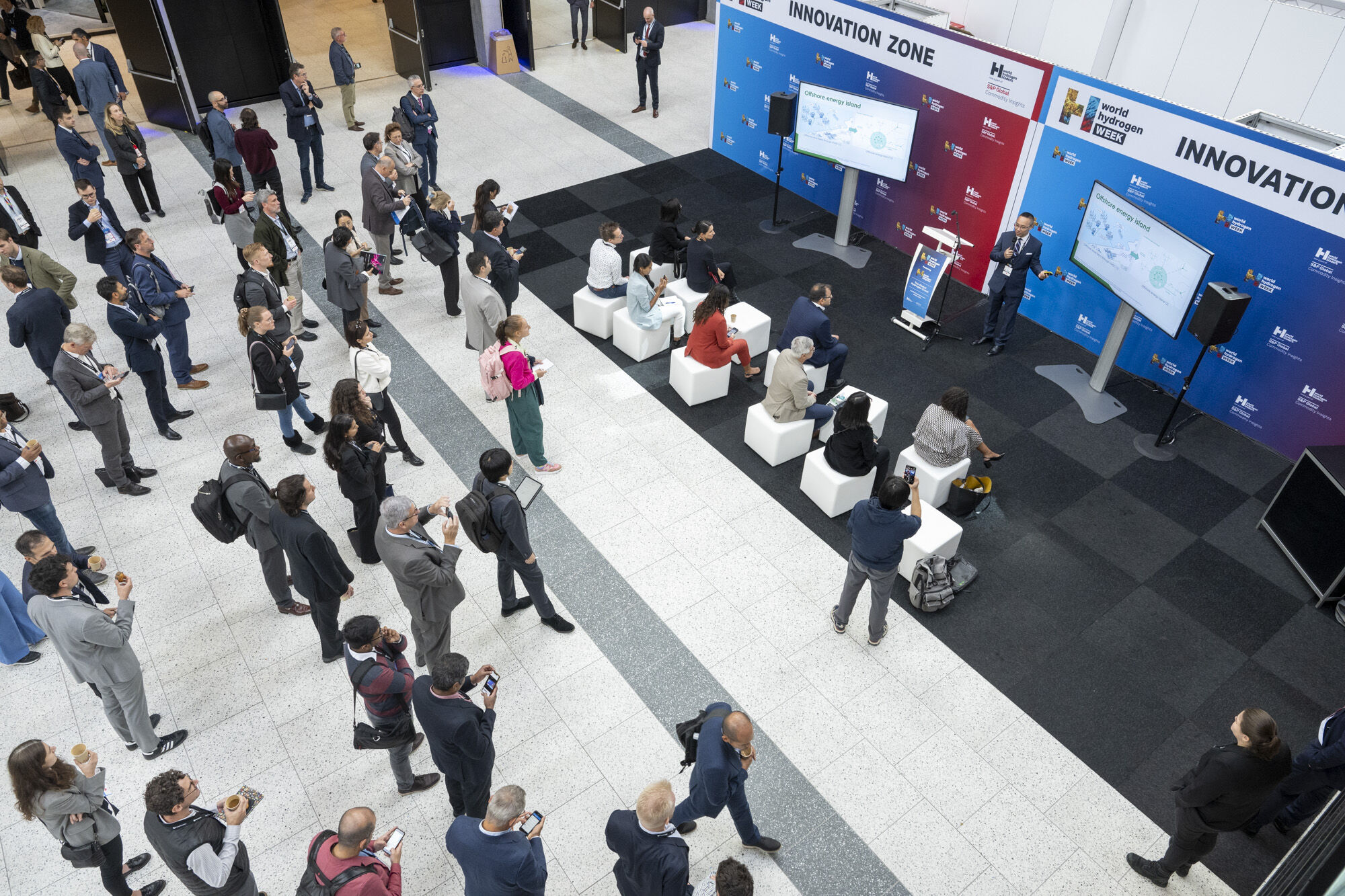
One particular area where we can expect to see significantly more coverage in future conferences will be the ammonia cracker sector. Currently seen as a nascent technology, there was little consensus among delegates around the potential impact of the first installations of ammonia cracking technology into the domestic markets for electrolytic hydrogen in Europe. Japan in particular is understood to be keen on using hydrogen derived from cracked ammonia as a key building block within its hydrogen economy plans.
End-user market demand
According to Commodity Insights, demand for low carbon or electrolytic hydrogen remains largely limited to existing end-user markets where grey hydrogen is consumed as an intermediary feedstock or as an input, such as refineries or in the production of fertilizers or chemicals, such as methanol.
Here, global demand for hydrogen is understood to have climbed to around 100mt at present, with S&P Global CI forecasts anticipating that global demand will climb by around 20% to 120mt by 2030, according to its Inflections scenario.
Demand for low carbon hydrogen is expected to climb to around 20% of global demand by 2030, of which 60% will be electrolytic hydrogen and the remainder low carbon hydrogen with CCS.
How demand for the substitution of grey hydrogen with low carbon or electrolytic hydrogen will vary regionally is likely to be a function of regulation. Indian industrial buyers currently exhibit a highly marginal willingness to pay, whereas some European end-user sectors will see a Willingness to Pay of around EUR6.50/kg depending upon how RED III regulations are transposed into domestic legislation.
We expect future iterations of the conference to feature more dedicated coverage of discrete end-user markets.